Key Takeaways:
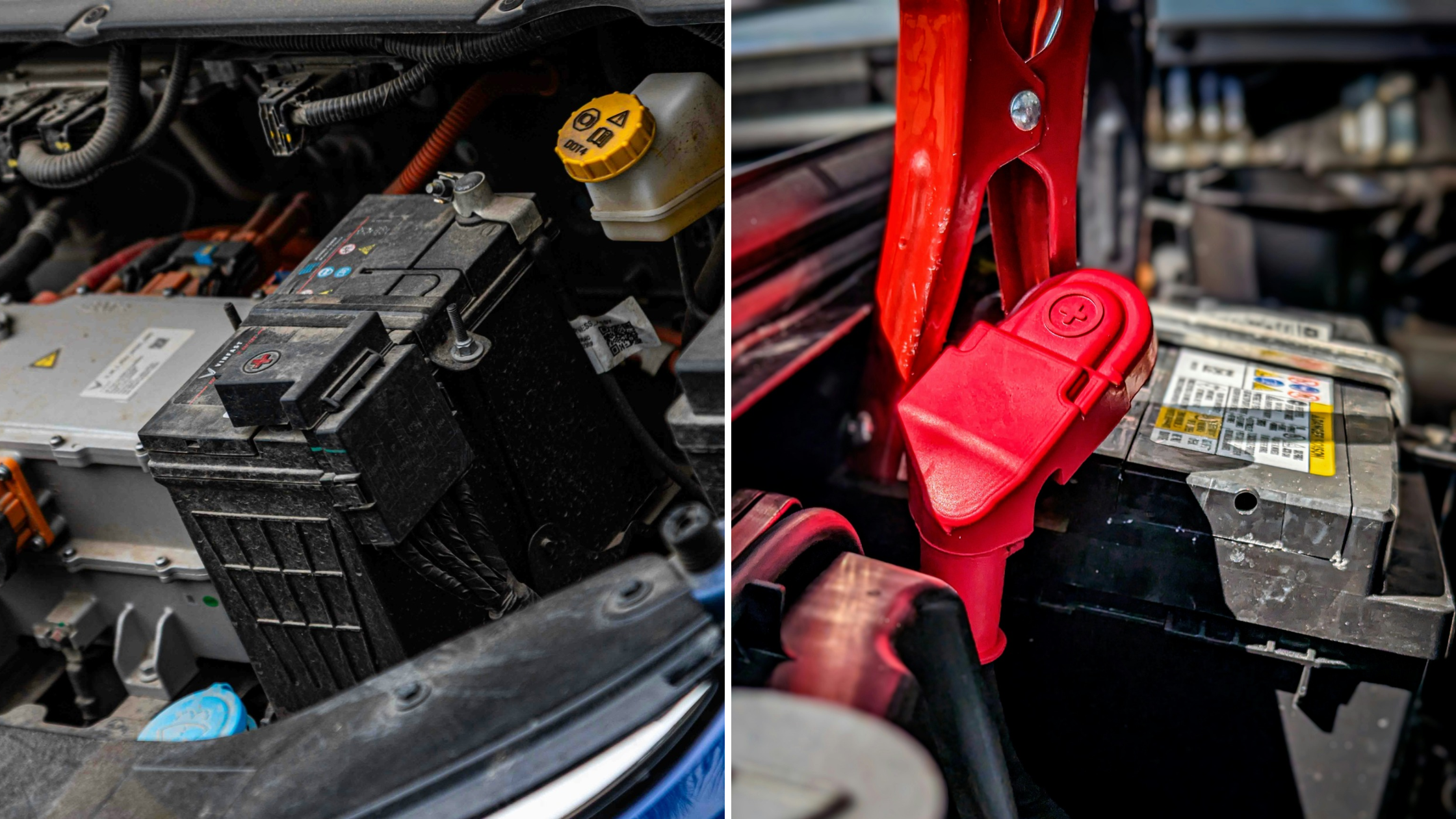
- Recharge the battery: When the vehicle has been left unused, electrical accessories have been left on, or the battery has discharged without showing signs of physical damage. If it holds its charge and starts the vehicle normally after recharging, replacement may not be necessary.
- Replace the battery: When the battery case is swollen, cracked or leaking, or when it cannot retain its charge or provide sufficient starting power after a full recharge.
- Maintain the battery regularly: Use a smart battery charger compatible with the battery type to recharge and maintain it, especially when the vehicle is used infrequently.
1. WHEN SHOULD YOU RECHARGE A BATTERY?
Recharging is recommended when a battery has lost charge due to prolonged inactivity, electrical accessories drawing power, or insufficient charging from the vehicle's charging system. If the battery has no serious internal damage and can still accept and retain a charge, recharging it properly may restore normal operation without requiring replacement.
Common situations include:
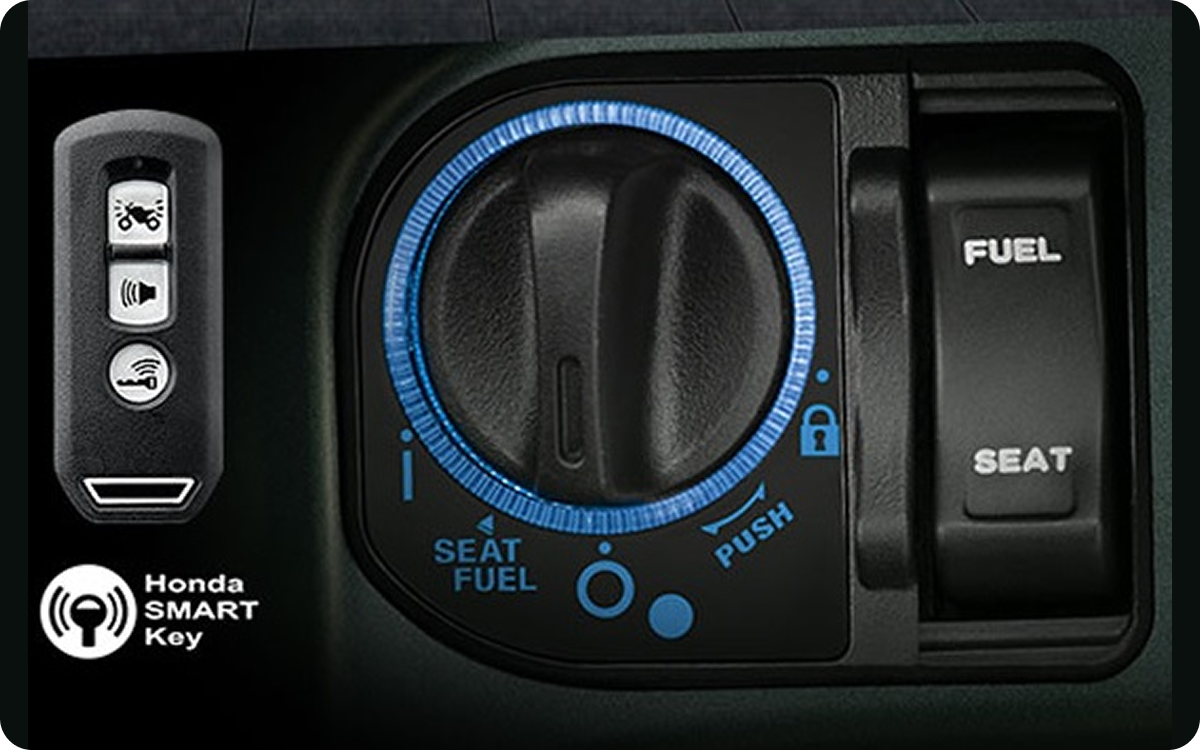
- The vehicle has been left unused: Batteries naturally self-discharge over time. When connected to a vehicle, the battery also supplies power to the clock, alarm system, Smart Key and other electronic systems. If the vehicle is not used or the battery is not recharged for 1–2 weeks or longer, its voltage may drop below the level required to start the engine.
- Electrical accessories have been left on: Lights, aftermarket accessories or GPS trackers may continue drawing power after the engine is switched off, causing the battery to discharge more quickly.
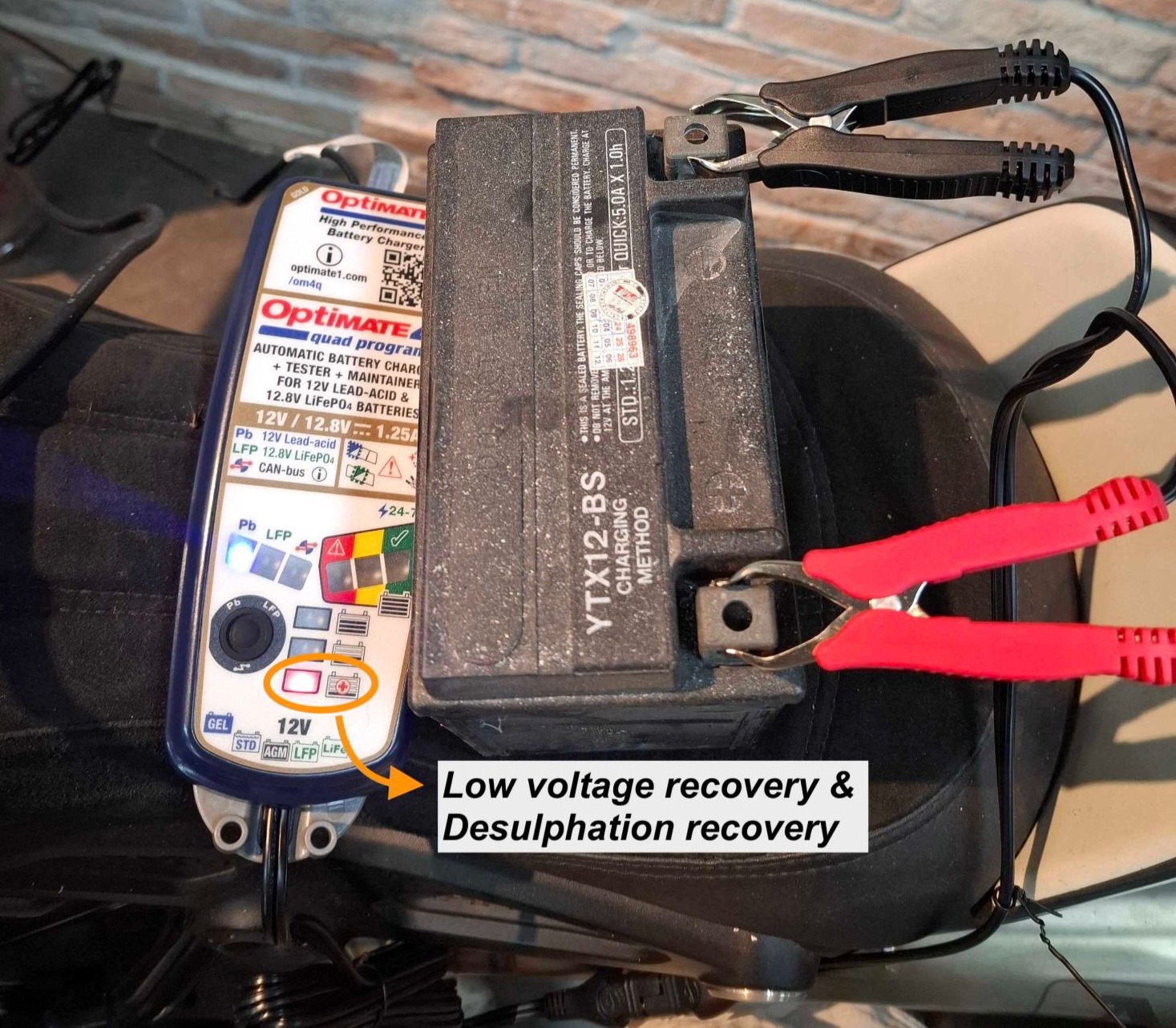
- The battery is deeply discharged but not severely damaged: When a lead-acid battery remains undercharged for an extended period, lead sulphate crystals can form on its plates. A compatible charger with a recovery or desulphation program may help improve the battery's ability to accept a charge, provided the damage is not too severe.
2. WHEN SHOULD YOU REPLACE THE BATTERY WITH A NEW ONE?
A battery should be replaced if it has physical damage, has significantly lost its capacity, or can no longer provide sufficient starting power after a full recharge.
Common warning signs include:
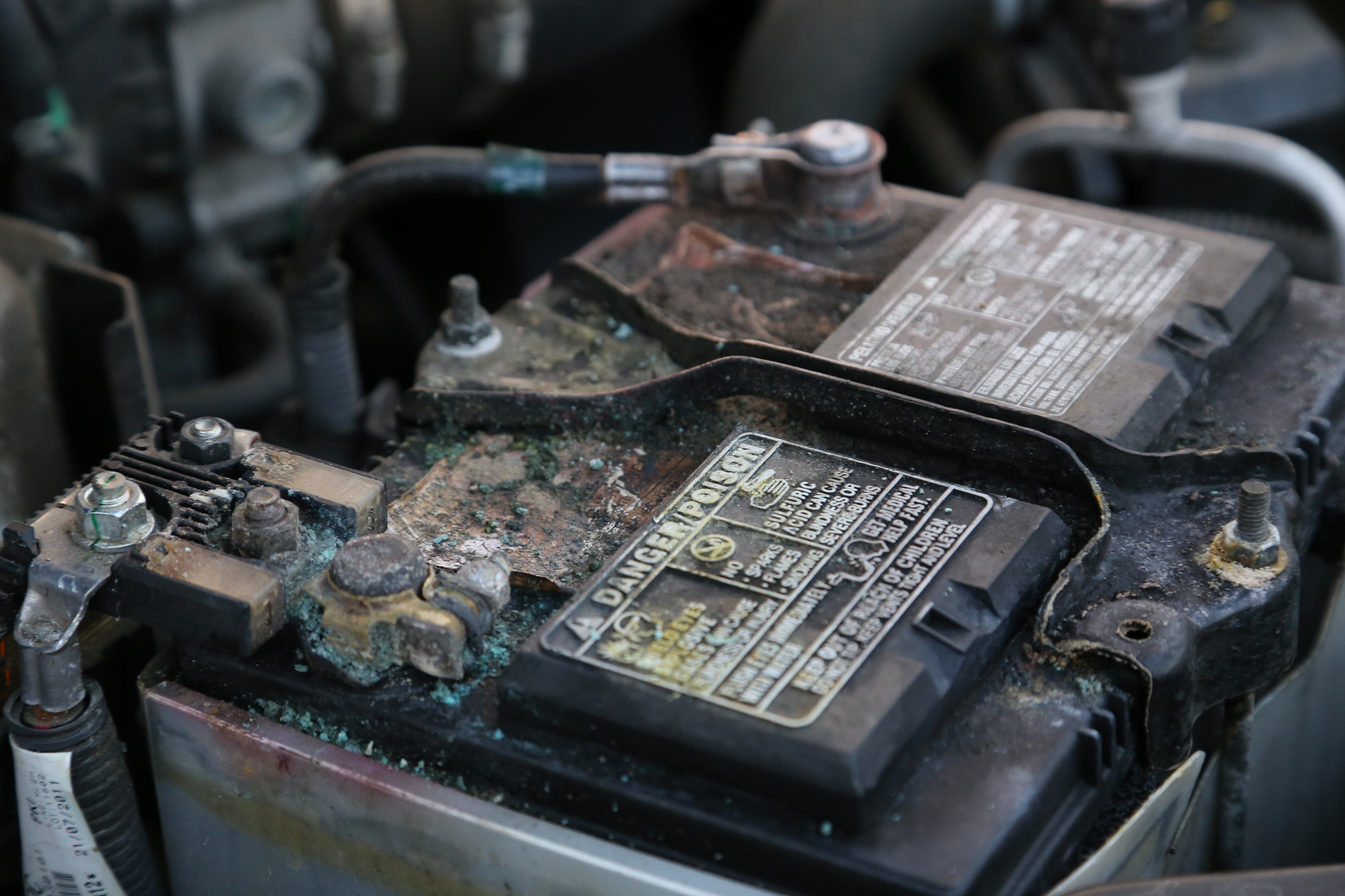
- Physical damage: The battery case is swollen, cracked or leaking electrolyte. Severely corroded terminals may also cause poor electrical connections. Do not continue using or charging a physically damaged battery.
- Loss of charge retention: The battery loses its charge quickly (for example, within 1–2 days) after being fully recharged, or cannot supply enough current to start the engine. This may indicate deteriorated battery plates, reduced capacity or an internal fault.
- The battery has reached the end of its service life: As a general guide, motorcycle batteries often last around 2–3 years, while car batteries typically last around 3–5 years. AGM batteries may last approximately 4–5 years, depending on operating conditions and maintenance. High temperatures, frequent short journeys and poor maintenance can accelerate battery deterioration and shorten its service life.
3. MAINTENANCE SOLUTIONS AND EXTENDING BATTERY LIFESPAN WITH OPTIMATE SMART CHARGERS
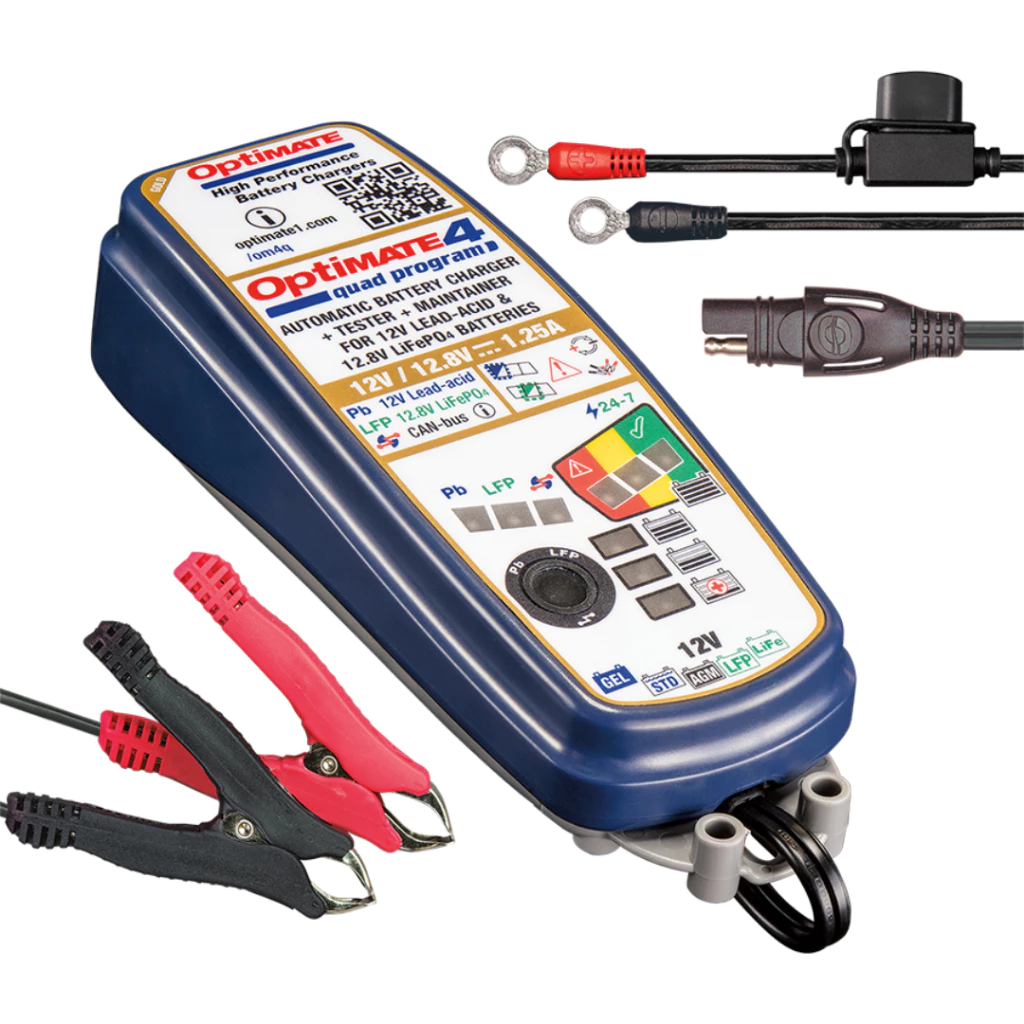
Using a compatible smart battery charger ( for example OptiMate chargers) helps maintain the battery's state of charge, especially when a vehicle is used infrequently or parked for extended periods. Regular charging helps prevent the battery from remaining at a low state of charge for too long.
The OptiMate chargers can offer the following features:
- Automatic charging and adjustment: Monitors the battery's condition, adjusts the charging process through different stages and switches to maintenance mode when the battery is fully charged.
- Support for Desulfation and battery recovery: Some chargers include desulphation programs designed to help improve the charge acceptance of lead-acid batteries. However, this function cannot repair damaged cells or restore batteries with severely degraded capacity.
- Long-term battery maintenance: Automatically replenishes charge when needed, helping prevent deep discharge caused by natural self-discharge and the vehicle's electrical systems.
- Battery condition testing: Displays test results through LED indicators, helping vehicle owners assess the battery's condition after charging.
4. CONCLUSION
If the battery is only weak due to standing idle or mild discharge, recharging and restoring it is a fast and economical solution. Conversely, if the battery is past its lifespan or shows physical damage, replace it to ensure safety. Additionally, proactively maintaining your battery with a smart charger will significantly extend its useful service life.
5. FREQUENTLY ASKED QUESTIONS (FAQ)
1. Does a flat battery always need to be replaced?
No. If the battery has simply discharged but is not damaged, it may be recharged. Check whether it can retain its charge and start the vehicle normally before deciding to replace it.
2. When is battery recovery no longer effective?
Battery recovery cannot repair physical damage, shorted cells, damaged plates or severely degraded battery capacity. In these cases, replacing the battery is usually necessary.
3. Can I leave a battery charger connected overnight or for extended periods?
Yes, provided you use a smart charger designed for continuous maintenance charging and compatible with your battery type. Conventional chargers without automatic shut-off or maintenance functions should not be left connected continuously.
4. Will a battery go flat if a vehicle is left unused?
Yes. Batteries naturally self-discharge over time. When connected to a vehicle, they also supply power to systems such as the Smart Key, clock, alarm and other electronic components. As a result, a battery can become discharged when a vehicle is parked for an extended period without being recharged.
5. Can battery recovery help extend battery life?
Proper charging and maintaining an adequate state of charge help prevent prolonged deep discharge, which is one of the factors that can shorten the service life of lead-acid batteries. However, battery recovery cannot reverse natural ageing or repair severe internal damage.

JJDistribution – Official OptiMate Battery Charger Distributor in Vietnam
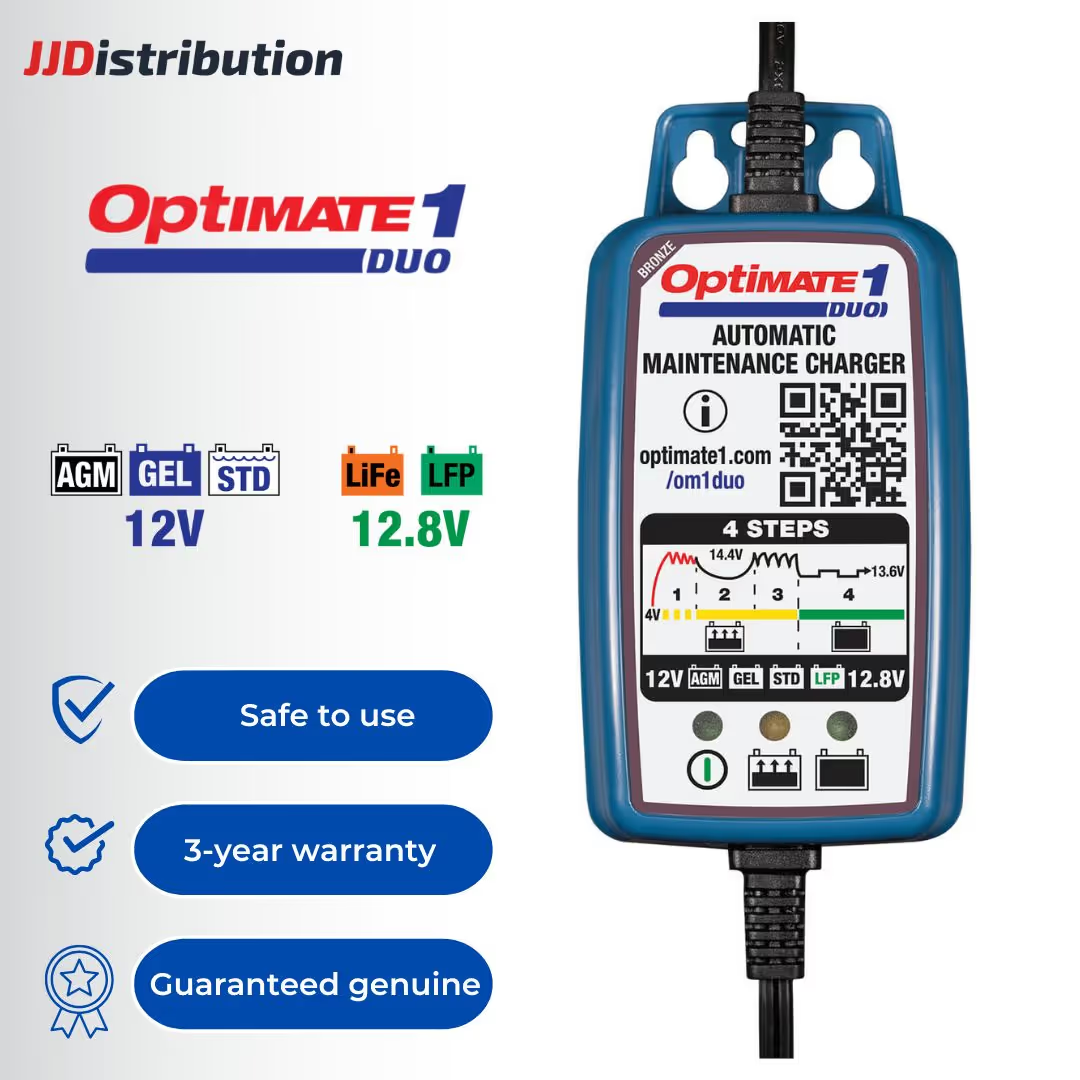
- OptiMate 1 DUO: Compact and easy to operate, ideal for scooters, standard motorcycles, and big bikes.
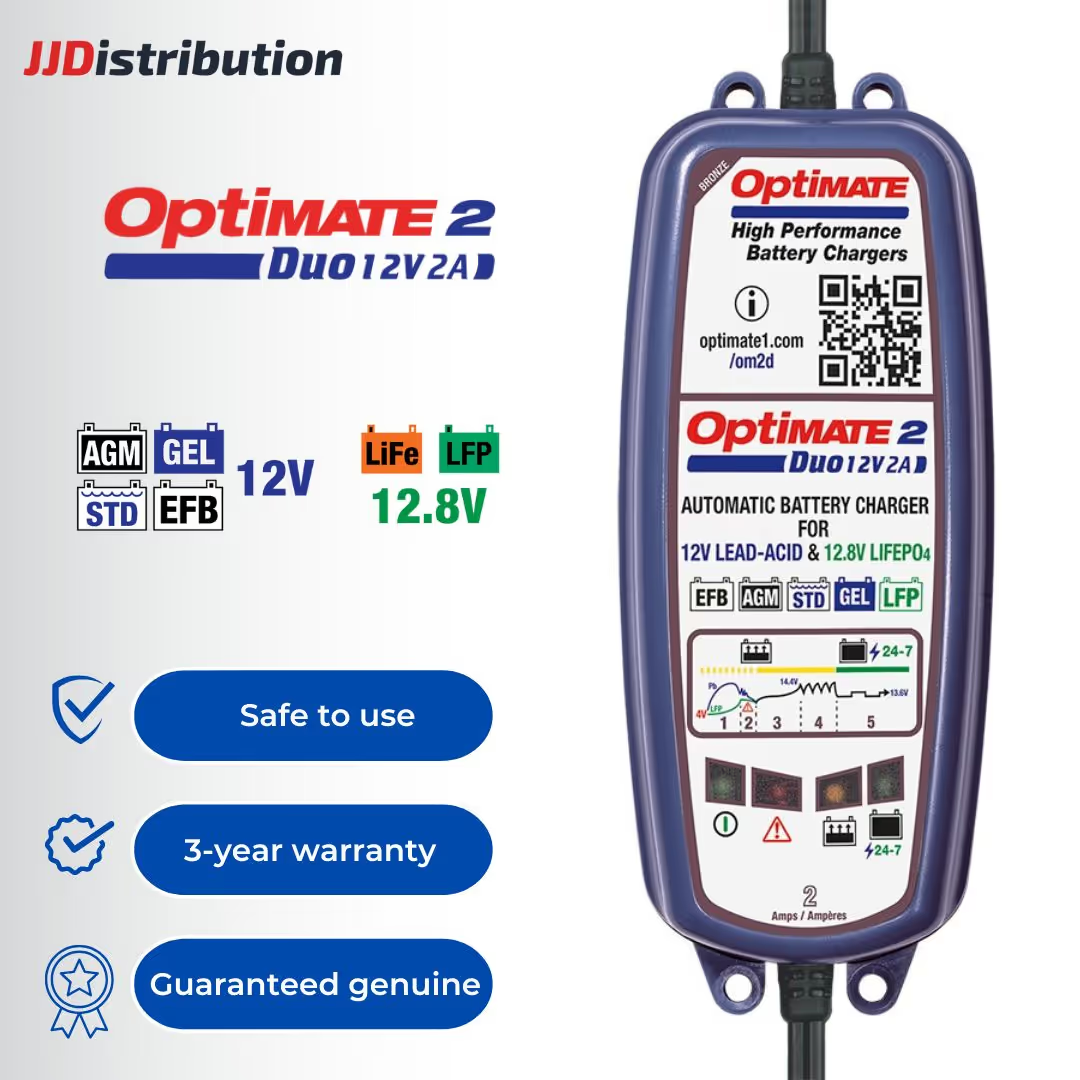
- OptiMate 2 DUO: A more powerful charging solution, recommended for automobiles and Grand Touring, Full-Dress Tourer motorcycles,... with larger battery capacity.
- OptiMate 4 Quad: A more powerful charging solution, recommended for automobiles and Grand Touring, Full-Dress Tourer motorcycles,... with larger battery capacity.
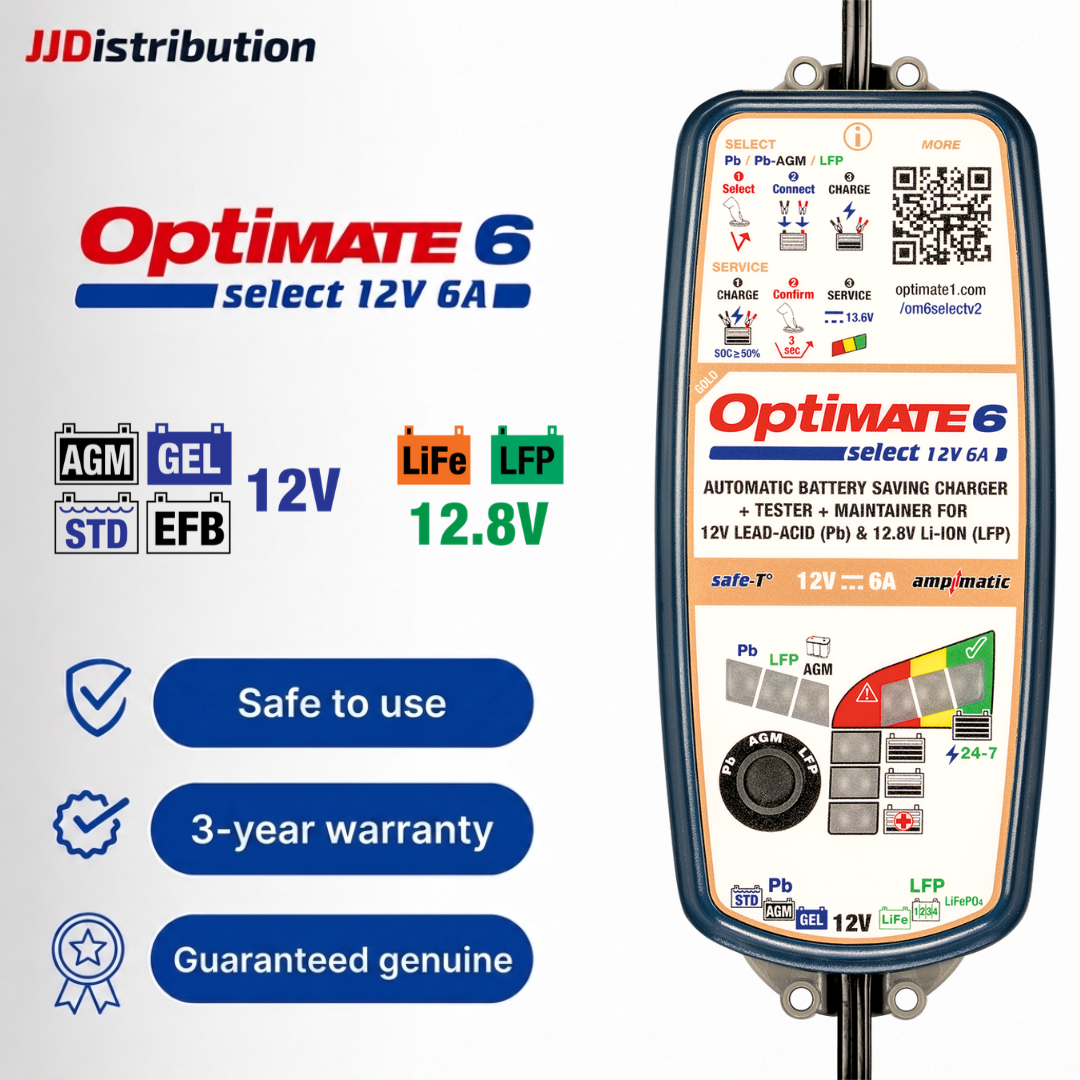
- OptiMate 6 Select (v2): A premium charger with adjustable charging current, suitable for motorcycles, scooters, large-displacement motorcycles, automobiles, trucks, racing vehicles, and more. Supports desulfation and weak battery recovery. The SERVICE mode provides stable power supply during diagnostics, maintenance, ECU updates, or for maintaining power in showroom display vehicles.
View detailed OptiMate charger models here